





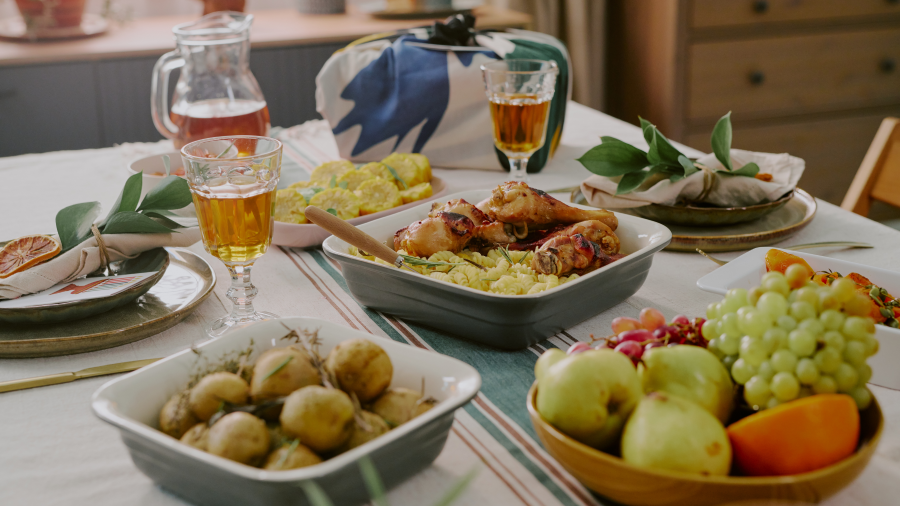
With Christmas, New Year, and other holidays approaching, has everyone packed their schedules tightly, getting ready to gather with family and friends? The Centre for Health Protection (CHP) of the Department of Health (DH) reminded members of the public to pay attention to their health. Individuals should avoid excessive alcohol, salt, sugar and fat intake, and ensure adequate rest and sleep to prevent compromising the normal functioning of the immune system, which could make one more susceptible to illness. Regardless of whether they are staying in Hong Kong or travelling abroad for the holidays, the public should practise strict personal, food and environmental hygiene at all times, and get seasonal influenza vaccination (SIV) early. These measures can help prevent various infectious diseases that are more prevalent in winter or associated with travel.
Stay Away from Alcohol
The International Agency for Research on Cancer of the World Health Organization (WHO) has classified alcohol as a Group 1 carcinogen, placing it in the highest risk category alongside smoking and asbestos. Alcohol consumption causes various cancers, including cancers of the oral cavity, pharynx, larynx, oesophagus, liver, colorectum, and female breasts. The risk rises with increasing alcohol use. It is worth to note that all alcoholic beverages, including beer, wine or spirits, carry carcinogenic risks. There is no safe drinking level and even small amount of drinking may harm your health. CHP encourages the public to celebrate the festive season without alcohol. During the festive season, CHP encourages everyone to embrace healthier alternatives to drinking, such as healthy eating, outdoor activities or spending quality time with family and friends, to welcome a more fulfilling new year.
The DH's Change for Health website has an electronic alcohol screening and brief intervention (e-SBI) tool, enabling the public to assess their drinking risk and obtain personalised health advice. If assessments indicate a high risk of alcohol consumption or probable dependence, members of the public should seek professional assistance early.
Smart Diet
Whether celebrating at home or dining out, members of the public should adhere to a balanced diet and the principle of "3 Low, 1 High" (i.e. low fat, low sodium (salt), low sugar, and high dietary fibre). In addition, the public should pay attention to the order in which they eat their meals and start with vegetables to increase satiety. Consume at least three servings of vegetables daily, with one serving is roughly equivalent to a bowl of salad. If needed, choose vinegar or a small amount of olive oil as salad dressing. Choose low-fat meat dishes (such as skinless turkey or fish fillets) that are prepared by baking, roasting, steaming or boiling. Avoid processed meats such as cold cuts platters. Finally, avoid high-fat, high-sugar desserts like cheesecake. Instead, opt for fresh fruit as a dessert. When dining out, choose restaurants of the EatSmart Restaurant Star + Campaign, and select "More Fruit and Vegetables" dishes and "3 Less" dishes with less oil, salt and sugar.
For snacks, choose healthier options like baked potato chips, baked sweet potato chips, corn chips, unsalted plain nuts and low-fat popcorn. Control portion sizes or opt for fruit snacks to meet the goal of at least two servings of fruit daily. Avoid consuming large quantities of greasy and high-sugar snacks (such as potato chips, prawn crackers, buttered popcorn and chocolate). Opt for sugar-free or low-sugar beverages instead of alcohol and high-sugar drinks. Members of the public should drink plenty of water or prepare low-calorie, tasty beverages at home (such as lime mixed with sparkling water). Check out DH's Practical Tips for Eating During Festive Seasons for more information.
Maintain a Balance of Exercise and Rest
The DH encourages the public to take care of their physical and mental well-being during the festive season. By balancing exercise and rest, everyone can enjoy a truly healthy and pleasant long holiday. The WHO recommends adults to engage in at least 150 to 300 minutes of moderate-intensity aerobic physical activity weekly, such as brisk walking or cycling; or at least 75 to 150 minutes of vigorous-intensity aerobic physical activity, like running or jumping rope. Exercise not only helps burn off extra calories consumed during the holidays but also reduces the risk of non-communicable diseases and improves mental health.
Walking is a simple and accessible physical activity suitable for the whole family. It improves cardiovascular fitness, strengthens muscles and bones. Walking also helps prevent obesity, hypertension and diabetes. During the festive season, CHP recommends taking a walk outdoors with friends and family. It relaxes both body and mind while integrating healthy habits into joyful moments. You can choose from nearby neighbourhoods, waterfront promenades, parks, or country trails to easily embark on a walking journey. Check out the Student Health Servcice of DH's Exercise Tips for Children and Adolescents for more information.
Prevention of Communicable Diseases
Receiving SIV is still one of the most effective ways to prevent seasonal influenza and its complications. Vaccination also reduces the risk of hospitalisation and death from infection. Public should receive vaccination as soon as possible regardless of staying locally or plan to travel abroad. Prevention of respiratory syncytial virus infection is the same as that for other respiratory diseases. Members of the public should maintain good personal, hand and environmental hygiene.
During holiday gatherings, it is especially important to pay attention to personal hygiene and take preventive measures. People should wash their hands thoroughly before and after touching mouth and eyes, after touching public equipment such as handrails and door handles, and after coughing or sneezing. Public with respiratory symptoms should wear a surgical mask, refrain from going to crowded places and seek medical advice promptly.
Norovirus is more active in winter (around December to March) and highly contagious, individuals may become infected after being exposed to even a small amount of norovirus. To prevent acute gastroenteritis and norovirus infection, members of public should perform hand hygiene frequently, especially before handling food or eating, and after using the toilet. During the festive season, members of public have more opportunities to have parties with food delivery services or hotpot. To prevent food poisoning, apart from maintaining personal hygiene, they should also consume thoroughly washed and cooked food. For shellfish, the shells should be well scrubbed and the internal organs be removed before consumption. In addition, never use raw eggs as a dipping sauce. Use different chopsticks to handle raw and cooked food to avoid cross-contamination. For more food safety tips, please visit the webpage of the Centre for Food Safety of the Food and Environmental Hygiene Department.
For more details, please visit the recent CHP's press release and the Travel Health Service's website.